
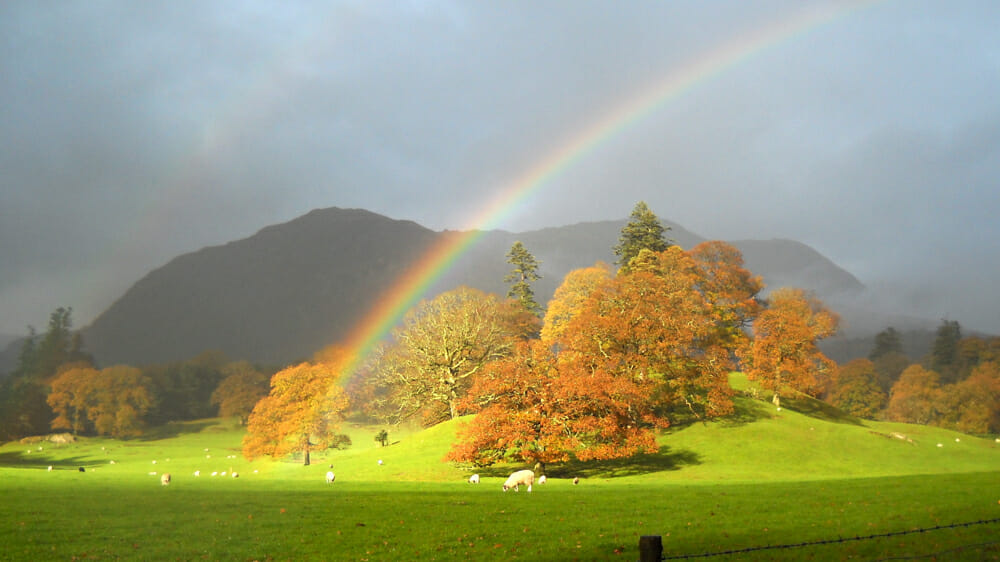
Solo hiking can mean many things. It can mean hiking absolutely alone, it can mean joining a group on a hike, or it can mean hiking alone with the back up of a company that will do things like plan your route and move your gear from one place to another.
I have done all three, and I've had hiking success stories, hiking humiliations, and the relaxed comfort of a company making all the hiking arrangements for me. The experiences have been exhilarating and often result in good stories to tell afterwards.
Most of my solo hikes are simply about slowing down and enjoying my destination at a different pace. On solo hikes, more than when hiking with companions, you experience sounds and smells as well as sights that you might otherwise miss. It's relaxing. It offers time to think about things. It can be as spiritual as it is physical.
Whether you're going solo on your own itinerary or joining a walking group, there are a few things you need to know.
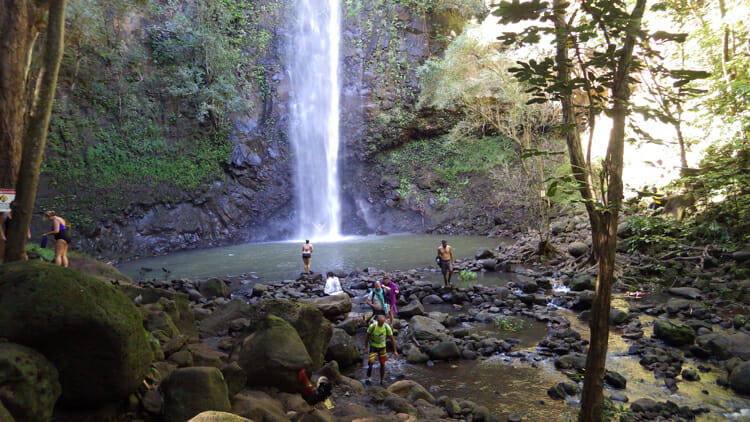
Hiking Gear: Four Essential Purchases for Solo Hiking
You don't need a lot of gear to go hiking, but a few well chosen items will make the difference between an enjoyable hike and a miserable one, or between a lifetime of hiking and the end of your hiking career.
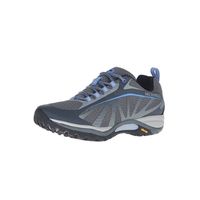
The right footwear is essential. What you wear on your feet really counts. Well-structured boots or shoes protect you from an ankle turned on a root. Waterproofing is essential as the weather can never be guaranteed. I have hiking shoes and boots. Mucky weather calls for boots and a fine summer day for shoes. After 14 years, my Berghaus boots have finally suffered a fatal blow. I'm in the market for new ones and will update this when I've tried and tested new hiking boots.
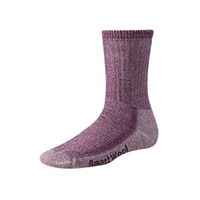
Fresh socks at least once a day, if not more often. Whether it's from rain or sweat, a pair of fresh socks every day is necessary. If your feet are getting wet, a change during the day is a good idea.
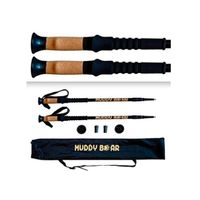
Protect your knees with poles. I know that poles seem like something only older people need but this is not the case. The osteopathic community encourages even young people to use poles to protect their knees so that they can enjoy a lifetime of hiking.
A simple whistle. One very small purchase that can increase safety on any hike is a whistle.
Hike Solo, Pack Light
A trip that includes a lot of hiking requires a day pack and a backpack.
My backpack holds 36 liters. It meets most airline carry-on standards and restricts just how much I can carry so that the weight of the pack is manageable. The features I appreciate most in a pack are full front access, built in rain cover, outside pockets and cords for easy access to items, good hip and shoulder straps and, if possible, that it is adjustable for height.
Unlike packing for a normal trip, a destination that will involve a lot of hiking requires more meticulous packing. I suggest that you start a week before you leave. Scrutinize every little thing that you're going to carry and take pieces (and weight) away from it day after day.
For details on selecting and packing your backpack, read Backpacking Solo: How to Plan an Exhilarating & Safe Budget Trip.
Where to Hike Alone: 12 Suggestions
You don't have to take on Mount Everest to enjoy a spectacular hike. You don't have to walk across England to experience that country's walking culture.
Hiking and walking are available at just about any fitness level. However, it's important to know your own strength and stamina so that you plan a successful trip.
There are so many spectacular hiking destinations in the world. Here are just a few posts that will give you information on hiking in specific locations. Most are about day hikes.
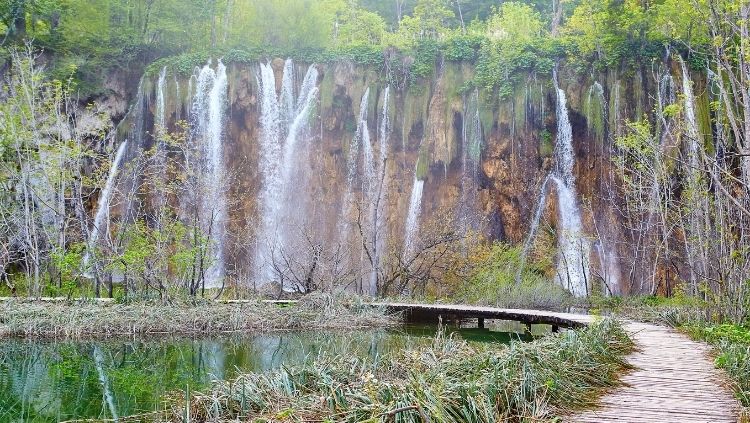
- Plitvice Lakes, Croatia: Sprinklers and Waterfalls
- The Spectacular Isle of Skye Without a Car
- Solo Travel Destination: The West Highland Way, Scotland
- Beyond Sydney: Bushwalking in the Blue Mountains
- Travel Solo on a Self-Guided Walking Tour: See France Slowly
- Solo Travel Destination: Isle of Wight, England
- Another Hiking Humiliation and Then… Redemption
- Italy’s Spectacular Amalfi Coast Solo on a Group Walking Tour
- London and the Lake District: 12-Day Itinerary
- Walking the Camino Solo: Life-Changing for Body, Mind & Spirit
- Solo in Moab, Utah & Arches National Park
- Of Gobbins and Giants: Northern Ireland’s Causeway Coastal Route
Do you hike alone? Have you done so in a destination you would recommend to other solo travelers? Consider submitting a post about your trip.
Safety for Solo Hiking
Some trails are quiet, which is wonderful. Solitude is often what we seek as we travel solo. But when hiking, things can happen. We have to think of safety as well. Here are a few rules that I live by when I hike alone.
- Plan the hike and let someone know the plan. This is the most basic of rules. Plan where you're going to go and leave the information with someone responsible. Whether that's your hostel manager, a note in your room, or a text to a friend, make sure that someone knows your plan and make sure that you stick to the plan.
- Take water and food. It doesn't have to be a lot of food, but carry something with you in case you get off the trail or that restaurant you were anticipating at the halfway mark is closed. You need to have something to sustain you in case something goes wrong.
- Know when sunset is and how long your hike will take. Make sure that your plan gets you back well before the light leaves.
- Know the trail markers. These can vary from country to country, so know what the trail markers mean before you head out.
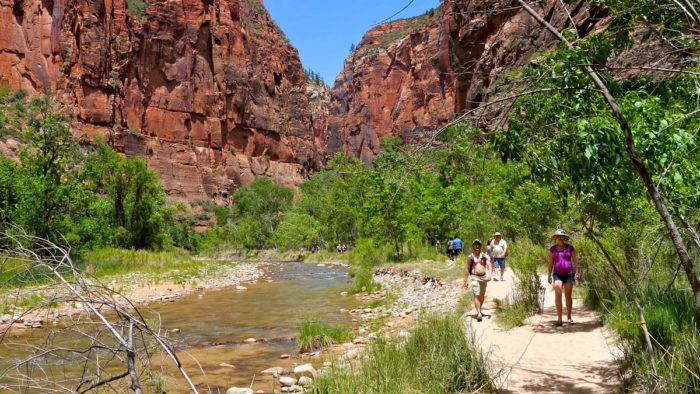
- Notice how busy the trail is. If you're seeing people every five minutes or so, you don't have much to worry about. Should something go wrong, someone will be along soon and be able to help. If you seem quite alone on the trail, take extra precautions.
- Stay on the trail. You may be tempted to divert to a waterfall, but stay on the planned route.
- Know how to deal with wildlife. People who hike together make noise. They chat. Hiking solo is a quiet activity. Take a bell or a whistle with you if you have any concern about animals. On some trails, bear spray may be a good idea too.
- Crossing rivers or streams. Take the extra steps to use the bridge. If none is available, go where the water is shallow. A deep, fast-moving stream can easily knock you over.
- Take note of landmarks. Yes, you need to watch your step, but look up. See what's around you. Enjoy the beauty. And, as you do, take note of landmarks that will help guide you back if need be.
- If you get lost, S.T.O.P.
- S – Stay calm. Relax, sit down, take a sip of water, breathe slowly.
- T – Think. Get out your map and see what you can learn.
- O – Observe. Look for landmarks, look for footprints.
- P – Plan. If you know the route, go carefully and mark your trail along the way.
- If you're really unsure, stay in one place. It's a rule of the woods. You're easier to find that way. Periodically blow your whistle three times. Three blasts of the whistle is an international distress call.
Looking for more places to hike alone? Here are Hiking Destinations for Solo Travelers: Safe, Easy, Stunning Options. And please don't forget to buy travel insurance. Here's what you need to know about that: Travel Insurance for Solo Travelers: How to Make Sure You’re Protected.